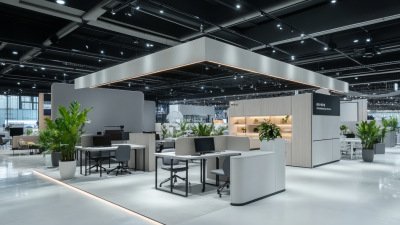
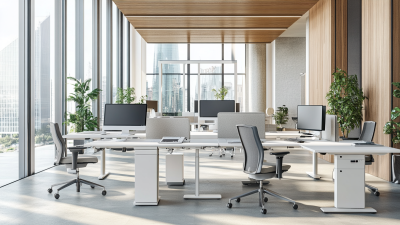
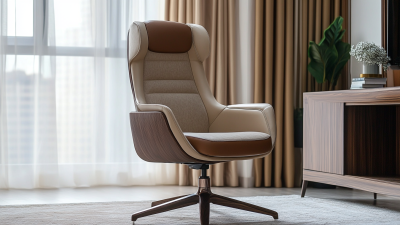
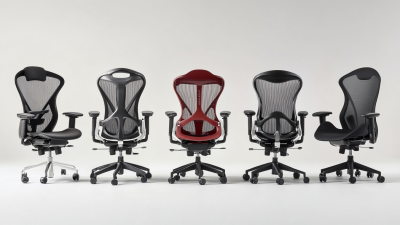
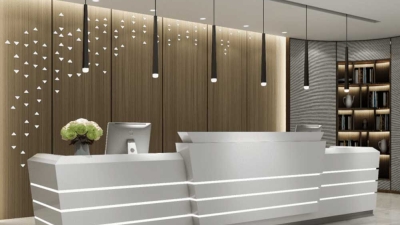
You know, in today’s fast-paced manufacturing world, it feels like the need for fresh Workspace Solutions is skyrocketing. A recent report from the International Manufacturing Association got my attention—it mentioned that companies using smart workspace systems are experiencing productivity boosts of up to 30%. Amazing, right? Guangdong Junshi Intelligent Furniture Co., Ltd. is really leading the way in this shift, bringing intelligent office solutions that perfectly mix cutting-edge tech with ergonomic design. With all the production challenges industries are grappling with these days, having sophisticated workspace solutions isn’t just a nice-to-have; it's become a must!
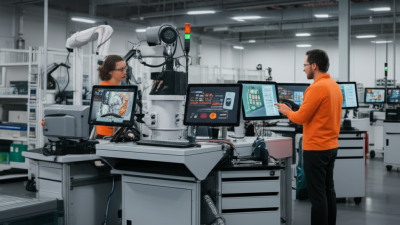
Junshi's talented R&D team is all about crafting personalized intelligent workspace systems to help boost efficiency for everyone—from governments to businesses and institutions. In this blog, we'll explore how to find top-notch manufacturers that can deliver the innovative workspace solutions we really need to thrive in modern manufacturing.
The Role of Smart Technologies in Enhancing Manufacturing Efficiency
You know, the world of manufacturing is really changing fast these days, especially with all the smart tech coming into play. Artificial intelligence, or AI, is stepping in big time, and it's seriously boosting how companies operate. This shift towards intelligent manufacturing is all about teamwork between governments, businesses, and local communities—it's like they need to come together to kickstart a cycle of innovation and growth in the industry.
Take a look at some of the recent moves being made; they really show how crucial AI is in shaking up the old-school manufacturing game and turning it into something smarter. For example, a bunch of "AI+" applications are being rolLED out, and they’re doing wonders for efficiency in different sectors. These innovations are really focusing on leveraging data analytics and machine learning to make workflows smoother, cut down on energy usage, and weed out defects in products. When manufacturers start using these advanced technologies, they pretty much get supercharged with agility and adaptability, which is essential if you want to outsmart the competition in today’s fast-paced market.
And let's not forget about the training programs! These are super important for helping workers get the hang of AI in manufacturing. If companies make sure their teams have the right skills, the switch to smarter systems can be pretty seamless. In the end, this is all about building a solid and sustainable future in manufacturing. As more industries grab hold of these smart technologies, they’re setting themselves up to lead the charge in this manufacturing revolution, ready to take on whatever challenges the AI era throws their way.
Innovative Workspace Solutions Transforming Manufacturing Efficiency and Solving Production Challenges - The Role of Smart Technologies in Enhancing Manufacturing Efficiency
| Dimension | Before Implementation | After Implementation | Improvement (%) |
| Production Speed | 100 units/hour | 150 units/hour | 50% |
| Downtime | 20% of production time | 5% of production time | 75% |
| Energy Consumption | 100 kWh | 75 kWh | 25% |
| Product Quality Defects | 5% | 1% | 80% |
| Employee Productivity | 80% | 95% | 18.75% |
Understanding Lean Manufacturing Principles for Improved Workflow
You know, the way lean manufacturing principles are being integrated these days is really shaking things up in the manufacturing world. It’s all about cutting down on waste and fine-tuning processes, which means companies can boost their productivity while also improving quality. A recent report from the Lean Enterprise Institute even showed that companies that embrace these lean practices can slash operational costs by up to 30% and speed up production by an impressive 50%! That really highlights how crucial it is to adopt strategies that mesh well with lean methodologies, especially in today’s fast-paced environment.
At Guangdong Junshi Intelligent Furniture Co., Ltd., we genuinely believe that innovative workspace solutions are key to making these lean practices work. Our smart office systems are all about enhancing teamwork and making workflows smoother, which ties in perfectly with the principles of lean manufacturing. With our state-of-the-art tech and ergonomic designs, Junshi helps businesses create flexible workspaces that can adapt to whatever they need.
Quick tip: Keep checking and tweaking your workspace layout to cut down on unnecessary movement and boost productivity.
And hey, let’s not forget how important it is to build a culture of continuous improvement. When you engage employees in spotting bottlenecks and suggesting enhancements, it can lead to some really creative solutions that enhance efficiency.
Another tip: Try having daily stand-up meetings to chat about challenges and brainstorm ideas—this way, everyone gets a say in making things better.
Key Metrics to Assess the Productivity of Innovative Workspaces
Innovative workspaces are reshaping the manufacturing landscape, providing new ways to enhance efficiency and address common production challenges. To effectively evaluate the productivity of these novel environments, several key metrics come into play. One primary metric is overall equipment effectiveness (OEE), which assesses how well manufacturing operations are utilized. High OEE scores indicate that machinery is not only running but is operating at peak performance, minimizing downtime and waste.
Additionally, employee engagement and collaboration should be measured as they directly impact productivity levels. Metrics such as employee satisfaction surveys and collaboration frequency can reveal how the workspace design fosters teamwork and innovation. The layout and tools provided in innovative workspaces can either facilitate or hinder communication, which is crucial for rapid problem-solving and creative thinking. Tracking these metrics helps organizations create an environment that supports their workforce while simultaneously boosting overall production efficiency.
Case Studies: Success Stories of Manufacturing Transformation
You know, in today’s fast-paced world of manufacturing, having some creative workspace solutions really makes a difference when it comes to tackling production challenges. Companies are jumping on the bandwagon and embracing modern techniques to make their operations smoother and boost efficiency. Take a look at some case studies from top manufacturers; they really show how these changes have transformed their productivity and overall performance.
For instance, there’s a mid-sized automotive parts manufacturer that decided to revamp its workspaces with flexible designs and smart tech. This shift actually resulted in a 30% cut in assembly time and made employees a lot happier! Plus, it didn’t just streamline their workflow; it also helped create a vibe of teamwork and innovation among the teams.
And here's another interesting example: a food processing plant that was really struggling with old equipment and clunky layouts. By rethinking their workspace and bringing in modular production cells, they saw some amazing improvements. The new layout allowed for better visibility and made it easier to adjust to changing production needs, which ultimately upped their production capacity by 25%. On top of that, the real-time data tracking meant managers could make smart decisions on the spot, which significantly reduced downtime. These success stories really highlight how innovative workspace solutions can transform efficiency in manufacturing and respond effectively to production challenges.
Challenges in Implementing New Workspace Solutions and How to Overcome Them
You know, bringing innovative workspace solutions into manufacturing can be a bit tricky. A recent report from the Manufacturing Institute shows that about 70% of manufacturers run into some serious issues with how their workforce adapts when new tech comes into play. A lot of the time, this resistance boils down to not enough training or misunderstandings about the new processes, which can really slow things down and hurt productivity. So, to tackle this, it’s super important for companies to focus on solid training programs. Not just the technical stuff, but also creating a culture where adaptability is truly valued among employees.
But wait, there’s more! Another challenge pops up when companies try to jam new solutions into their existing workflows. A study by McKinsey found that 75% of manufacturing executives struggle to seamlessly integrate advanced technologies like IoT and automation systems. One way to ease this process is by taking a phased approach to implementation. It’s kind of like testing the waters — pilot the new solutions in smaller settings first before going all in. By collecting feedback and making any needed tweaks along the way, manufacturers can really smooth the transitions out. In the end, this boosts operational efficiency and helps tackle those pesky production challenges.
Innovative Workspace Solutions Impact on Manufacturing Efficiency
This chart illustrates the improvement in manufacturing efficiency after implementing innovative workspace solutions. The efficiency increased from 65% to 85%, demonstrating a significant enhancement in production capabilities.
Future Trends in Workspace Design and Their Impact on Manufacturing Growth
You know, the manufacturing industry is really on the verge of a major shift, all thanks to some cool new workspace design trends. Companies are looking to boost efficiency and tackle those pesky production hurdles, so there's a big move towards crafting spaces that encourage collaboration and streamline workflow. Things like augmented reality (AR) and the Internet of Things (IoT) are being woven into these workspace solutions, which is super exciting! It means businesses can keep an eye on operations in real-time and make quick changes to the production processes when needed.
Also, let’s not forget how crucial ergonomic and flexible workspaces are for keeping employees happy and productive. Work environments that can be easily rearranged depending on the task at hand or team size are definitely on the rise. This kind of flexibility not only amps up efficiency but also fosters a culture of continuous improvement. Teams can tweak things on the fly, which is fantastic! As more companies jump on board with these forward-thinking workspace designs, we can expect a pretty significant boost in manufacturing growth overall, paving the path for an industry that’s way more agile and responsive.
Transform Your Work Environment: Insights from Recent Reports on Office Design Trends and the Impact of High-Quality Furniture on Productivity
Creating an inspiring and productive work environment has become a focal point for companies striving to optimize employee performance. Recent reports have highlighted that high-quality Office Furniture plays a crucial role in enhancing productivity and well-being in the workplace. The right office design, complemented by ergonomic and aesthetically pleasing furnishings, can significantly improve focus and collaboration among team members.
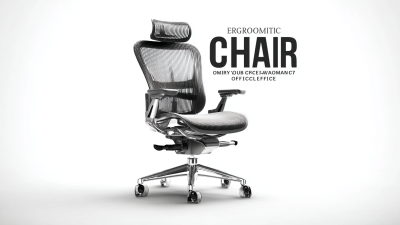
Among the various options available, the Junshi lacquered series stands out. This versatile product line includes workstations, desks, chairs, Filing Cabinets, and even conference furniture, perfectly tailored for any modern office setting. Each piece is not only designed to meet functional needs but also to elevate the workspace's overall aesthetic. For example, the sleek lines of the lacquered desks paired with comfortable chairs create an inviting atmosphere that encourages creativity and dialogue in conference rooms or open-plan offices.
Moreover, the durability and quality of lacquered office furniture ensure that it meets the demanding requirements of various professional environments, whether it’s a bustling office or a serene meeting room. Incorporating such high-quality furniture enables businesses to craft a workspace that doesn’t just look good, but also supports their employees’ well-being, leading to higher job satisfaction and productivity.
FAQS
: Lean manufacturing principles focus on minimizing waste and optimizing processes to enhance productivity and quality outputs in the manufacturing sector.
Organizations implementing lean practices can experience up to a 30% reduction in operational costs.
Innovative workspace design enhances collaboration and streamlines workflows, complementing lean manufacturing principles by creating flexible work environments.
Overall equipment effectiveness (OEE) is a key metric that assesses how well manufacturing operations are utilized, indicating peak performance and minimizing downtime and waste.
Employee engagement directly impacts productivity levels, and metrics like satisfaction surveys can reveal how workspace design fosters teamwork and innovation.
Future trends include the integration of advanced technologies like augmented reality (AR) and the Internet of Things (IoT), as well as the focus on ergonomic and adaptable workspaces.
Daily stand-up meetings encourage team members to discuss challenges and brainstorm solutions, promoting a culture of continuous improvement and ensuring everyone has a voice.
Regularly evaluating workspace layouts can reduce unnecessary movement and enhance productivity, aligning with lean manufacturing goals.
Flexible layouts allow for quick adaptations to different tasks or team sizes, improving operational efficiency and supporting continuous improvement.
As businesses embrace innovative workspace design, significant positive impacts on manufacturing growth are expected, leading to a more agile and responsive industry.